
A safety recall can affect a car you bought new or used. A few minutes with your vehicle identification number can tell you whether a reported recall still needs attention—and what to ask the dealer next.
Start with your VIN or license plate
On October 30, 2026, the National Highway Traffic Safety Administration (NHTSA) urged drivers to check for open recalls. An open recall is a recall that still needs a remedy for your vehicle. Read the NHTSA alert.
Find your VIN
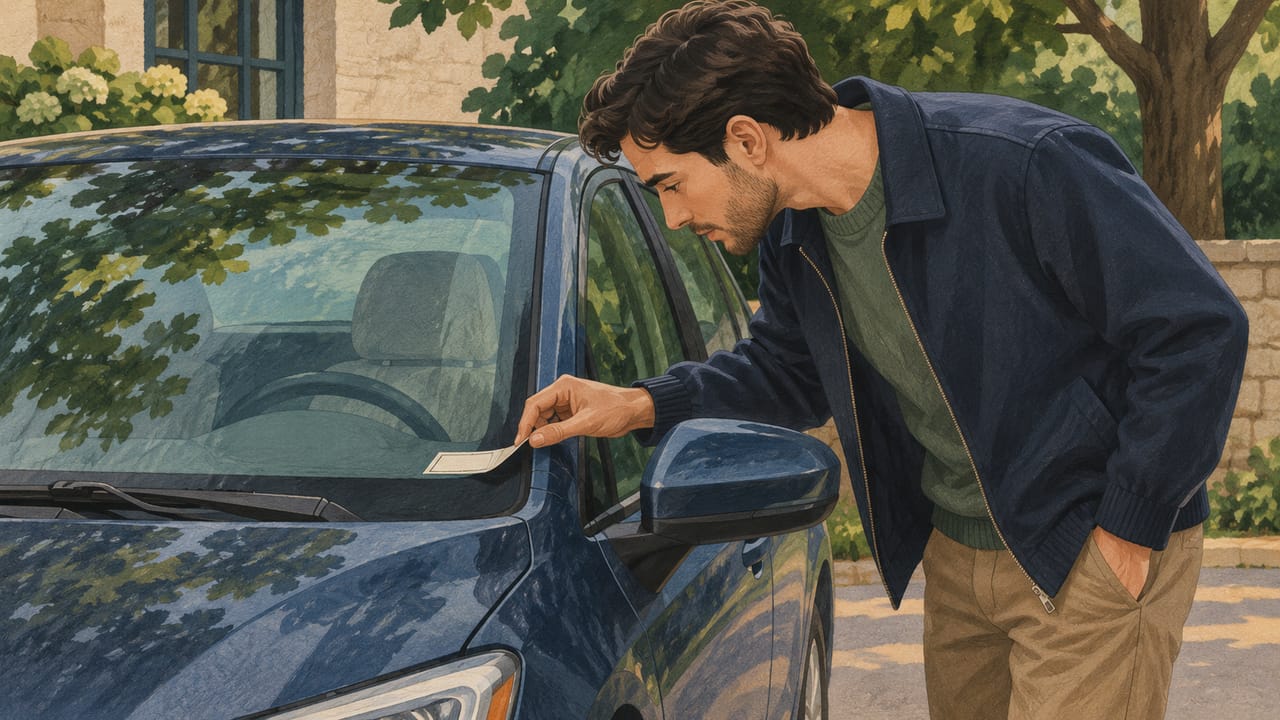
Look at the lower left corner of the windshield from outside the car. The 17-character vehicle identification number is also on your registration and may appear on your insurance card.
Search the NHTSA tool
Enter the VIN at NHTSA.gov/recalls. Alternatively, select your state and enter your license plate number.
Read each result
Check the defect, the safety risk, any interim instructions, and whether a remedy is available. Save the recall number for your call to the dealer.
Open the NHTSA recall lookup. If a plate search shows a previous vehicle, use the VIN and ask your state DMV to update its records.
Understand what the result means
A VIN or plate search looks for unrepaired recalls associated with a specific vehicle from participating manufacturers. A search by year, make, and model gives broader results. It does not establish that your particular car is affected.
For example, a notice about a model like yours may cover only certain production dates. Use your VIN to check your car. If the result is unclear, give the VIN and recall number to the manufacturer or its dealer.
| Search | What it tells you |
|---|---|
| VIN or plate | Unrepaired recalls associated with that vehicle, subject to the lookup limits. |
| Year, make, and model | General recalls, investigations, complaints, and manufacturer communications for that model. |
Know what the search can miss
A result showing zero unrepaired recalls is useful, but it is not a complete safety history or a guarantee that the car is free of defects. The lookup has limits.
For an older or specialty vehicle, contact its manufacturer with the VIN. A recall does not expire, according to NHTSA’s recall FAQ. The search’s 15-year display limit is different from the rule on free remedies.
Act on an open recall
Call a local dealership for your vehicle’s manufacturer. Give the service department your VIN and the recall number. NHTSA recommends scheduling the recall repair promptly. See its consumer alert.
Ask whether the remedy is ready, how long the appointment may take, and whether the dealer needs to order parts. If parts are not available, ask about interim instructions and how you will learn when the remedy is ready.
Check repair costs and older vehicles
NHTSA says recall repairs are free at the manufacturer’s dealership. Its detailed guidance describes an age limit for the legal right to a free vehicle remedy: the vehicle generally must be no more than 15 years old when the defect or noncompliance is determined. Age is measured from the first sale to a purchaser.
A manufacturer may still offer a free remedy for an older vehicle. Ask the manufacturer or dealer about your specific recall. The 15-year rule is not simply the car’s age today. Read NHTSA’s owner guidance.
If you already paid to fix the same defect before the recall, ask the manufacturer about reimbursement. NHTSA says reimbursement is available under certain conditions and requires documentation. Keep your invoice and proof of payment.
Make recall checks a habit
NHTSA recommends checking twice a year. A used car can have an open recall, and new recalls can be announced after your last search. Check before buying a used car and again after the purchase.
The free SaferCar app can alert you about recalls for vehicles and equipment you enter. NHTSA also offers general recall emails. Check tires, car seats, and other equipment separately using their product details. Find the tools and alerts.
Keep your vehicle registration current so recall notices can reach you. A mailed notice and a lookup are both useful, but do not wait for a letter if you learn of a possible recall.
What if there is no recall?
A complaint or investigation is not the same as a recall. If the car has a safety problem that is not part of a recall, document the symptoms and contact the manufacturer or a qualified repair professional. Follow any instructions relevant to the symptoms.
You can also report a suspected safety defect to NHTSA online or call its Vehicle Safety Hotline at 888-327-4236, Monday through Friday, 8 a.m. to 8 p.m. Eastern. See the reporting guidance.
Sources and update
Checked November 2, 2026. This guide covers U.S. vehicle safety recalls. Confirm the current remedy and instructions for your specific VIN.
Frequently asked questions
Will a completed recall appear in a VIN search?
No. NHTSA says its VIN and plate search does not show a safety recall that has already been repaired. Contact the manufacturer if you need more information about past recall work.
Can I check a used car before buying it?
Yes. Ask for the VIN and search it before buying. The result has limits, so ask the seller and manufacturer about any unresolved or older recall questions.
Does a recall expire after 15 years?
NHTSA says a vehicle recall does not expire. Its VIN and plate search generally excludes recalls older than 15 years, and the rules for a free remedy use a separate age test.
What if the repair is not available yet?
Ask the manufacturer or dealer about interim instructions and when to check again. Follow any do-not-drive or park-outside instruction.